A WELCOME IN THREE LANGUAGES
پيارا پڙهندڙو، توهان جو هن بلاگ تي خيرمقدم آهي، جتي اسين سنڌ جي
تعليم جي روشني ڏانهن گڏجي هلنداسين
عزیز قارئین، آپ کا اس بلاگ پر خیر مقدم ہے، جہاں ہم سندھ کی تعلیم کے
مستقبل کے بارے میں مل کر سوچیں گے۔
Dear readers, welcome to this blog where we walk together toward the light of education in Sindh.
THE POET WHO KNEW — SHAH ABDUL LATIF BHITTAI
Centuries before the word "literacy" entered our vocabulary, Shah Abdul Latif Bhittai — the soul of Sindh — sang of knowledge, courage, and the duty of every human being to seek the light.
Shah Jo Risalo, his collected works, contains thirty chapters called Sur, each focusing on a particular musical mode. His poetry was composed in the language of the common people — farmers, fishermen, desert dwellers — and it remains alive in Sindh to this day.
From Sur Sarang — his celebrated chapter of praise and prosperity — Shah Bhittai called upon the rains of divine blessing to reach every corner of the earth:
"ساعئين سدائين ڪرين، ماٿي سنڌ سڪار،
دوست تون دلدار، عالم سڀ آباد ڪرين."
Translation: "O my beloved Lord, may you always make Sindh a land of abundance; O my beloved, may you make the whole world prosperous."
(Shah Abdul Latif Bhittai, Sur Sarang — Shah Jo Risalo)
This blessing was not for rulers alone. It was for every school, every child, every teacher walking the difficult path of education in this blessed land.
THE COURAGE OF MARUI — SUR MARVI
Among the most powerful of all Shah Bhittai's verses are those from Sur Marvi — the story of Marui, a village girl of Thar who was abducted by the powerful king Umar Soomro and offered every luxury to leave her people behind. She refused.
Marui stands as a symbol of patriotism for her folk and homeland, against her abductor, by refusing and turning down all the temptations offered by the king in return for her cooperation.
Shah Bhittai gave her these words in Sur Marvi, Shah Jo Risalo:
"اي سومرا! جيستائين جيئان، ڪپڙو ريشمي نه پائيندس،
پنهنجو پراڻو ڦيٽو مون کي پيارو آهي.
اسين غريب ماڻهو، ڪنهن به قيمت تي پنهنجن کي نه وڪڻنداسين."
Translation: "O Soomra! So long as I live, I will not wear the silken garments you offer me. I love my ancestral headcover. We, the poor people, do not barter our kinsmen for gold."
(Shah Abdul Latif Bhittai, Sur Marvi — Shah Jo Risalo. English translation by Muhammad Yaqoob Agha, published by Shah Abdul Latif Bhit Shah Cultural Centre Committee, Hyderabad, Sindh)
Today's female educator in Sindh is that same Marui. She is offered every reason to give up — low pay, crumbling classrooms, distance, discouragement. And still she comes. Chalk in hand. Heart open. Because she will not barter her children's futures for comfort.
THE CRISIS WE CANNOT IGNORE
I have spent 30 years in the classrooms and corridors of Sindh's government schools. I have seen what the statistics confirm — and what they fail to capture.
Sindh today faces a profound education crisis:
Millions of children remain out of school, the majority of them girls
Ghost schools exist on paper but not in reality
Untrained teachers are posted to remote areas with no support
Crumbling infrastructure — broken desks, no toilets, no drinking water
Poverty forces families to choose between a child's education and daily bread
I do not share these realities to shame anyone. I share them because a problem named is a problem that can be solved.
WOMEN: THE INVISIBLE BACKBONE OF EDUCATION
Shah Abdul Latif highlighted the marginalized people of the country, especially women, and chose seven heroic women — the Sat Surmyun — as protagonists to convey his spiritual and moral message.
These were not weak women. Marui, Sohni, Sassi — each one chose a harder path because she believed in something greater than herself. Each one refused to surrender.
Today's female teacher in Sindh is their true heir.
In my own school, I have watched female teachers walk through floods, navigate family pressures, and still arrive — because they believe a child's future is worth every sacrifice.
The Seven Queens are celebrated throughout Sindh for their positive qualities: honesty, integrity, piety and loyalty. They are also valued for their bravery and their willingness to risk their lives in the name of love.
These are precisely the qualities our teachers carry — not to a lover — but to their students, their classrooms, and their communities.
WHAT MUST CHANGE — A CALL TO ACTION
Change in Sindh's education will not come from Karachi alone. It will not come from policy papers gathering dust on shelves. It will come from us.
If you are a teacher — show up. Your presence is a political act in a system designed to make you invisible.
If you are a parent — send your daughter to school. Her education is not a luxury. It is your legacy.
If you are a leader or official — visit the schools in your constituency. Not for a photo. Sit in the classroom. See what the teacher sees.
If you are a citizen anywhere in the world — speak up. Share. Support organisations working on the ground in Sindh.
If you are a student — know that your struggle to learn is an act of resistance against poverty and ignorance.
MY PROMISE
I started Educating Futures because I believe Sindh's best chapter has not yet been written.
I have seen children in remote villages with fire in their eyes — waiting only for someone to hand them the tools.
Shah Bhittai's lamp still burns. His devotees gather every year at his shrine on 14th Safar, where his verses are recited and traditional Sindhi music is performed in celebration of his life and message. His words have outlasted empires. They will outlast our present difficulties too.
Every post on this blog is my way of keeping that lamp lit — for the children of Sindh who deserve better, and for the teachers who never stopped believing they could have it.
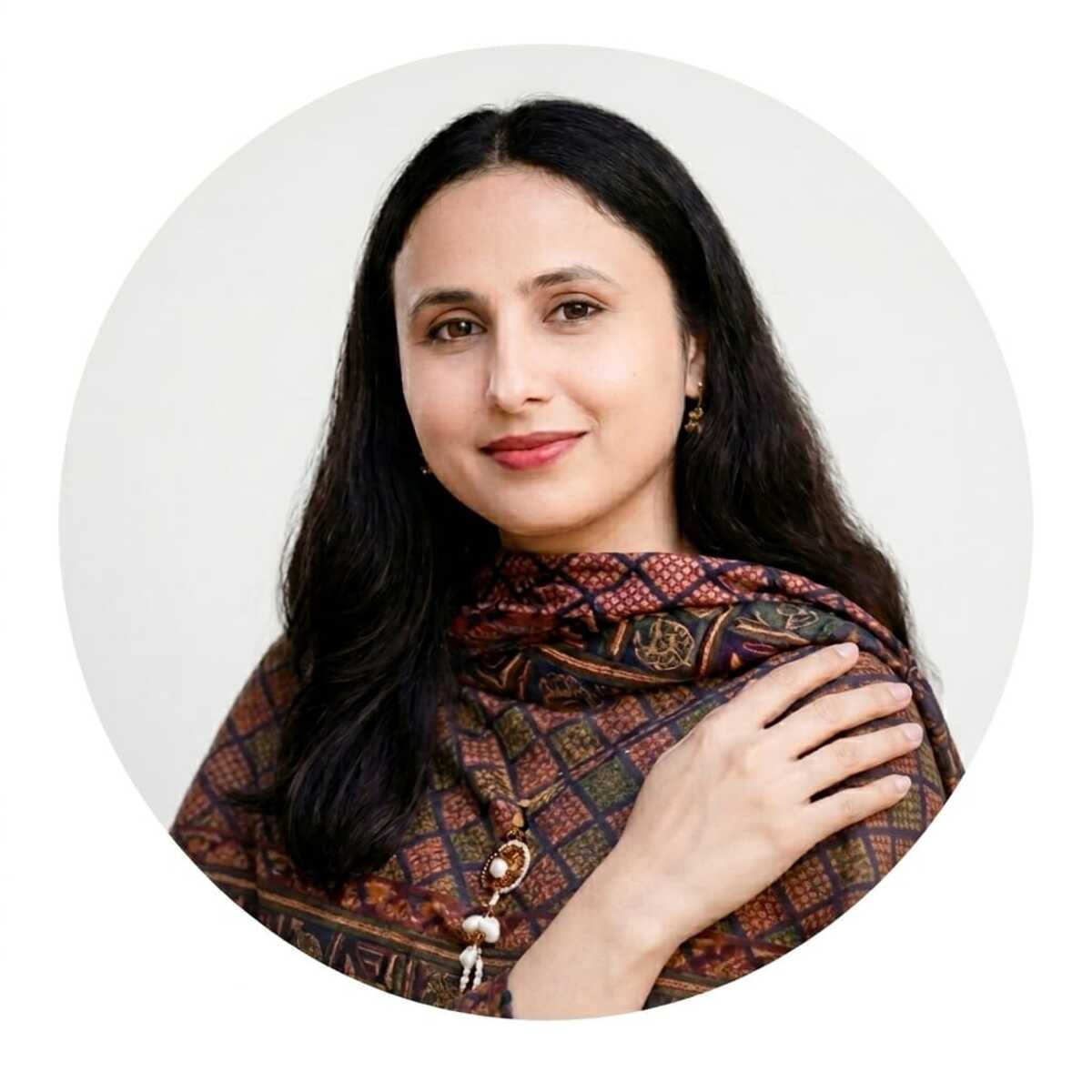
Razia Solangi is a Headmistress with 30 years of experience in Sindh's government schools and the founder of Educating Futures — a platform dedicated to transforming education in Sindh through honest conversation, community, and hope.
Read more at: educatingfutures.com
REFERENCES & SOURCES
Sur Sarang — Shah Jo Risalo (Shah Abdul Latif Bhittai, 1689-1752). First compiled and published in 1866 by German philologist Ernest Trumpp.
Sur Marvi — Shah Jo Risalo. English translation by Muhammad Yaqoob Agha, published by Shah Abdul Latif Bhit Shah Cultural Centre Committee, Hyderabad, Sindh.
Shah Jo Risalo (English translation), Vol. II — available at: https://archive.org/details/shahjorisaloaliasganjelatifvolumeii
Umar Marvi — N.A. Baloch (1976), Umar Marvi, Jamshoro: Sindhi Adabi Board.
Biographical information sourced from Wikipedia and Ismaili.net scholarly forum on Sindhi Sufi tradition.
Tags: Education in Sindh | Shah Abdul Latif Bhittai | Shah Jo Risalo | Sur Marvi | Women in Education | Pakistan Education Crisis | Sindhi Culture | Educating Futures